From Field to Bio BDO
“*Fashion Redressed II Series produced for Hyosung TNC by BBC StoryWorks Commercial
Productions and presented by Global Fashion Agenda.“
Bio BDO (BIO-1,4-BUTANEDIOL)
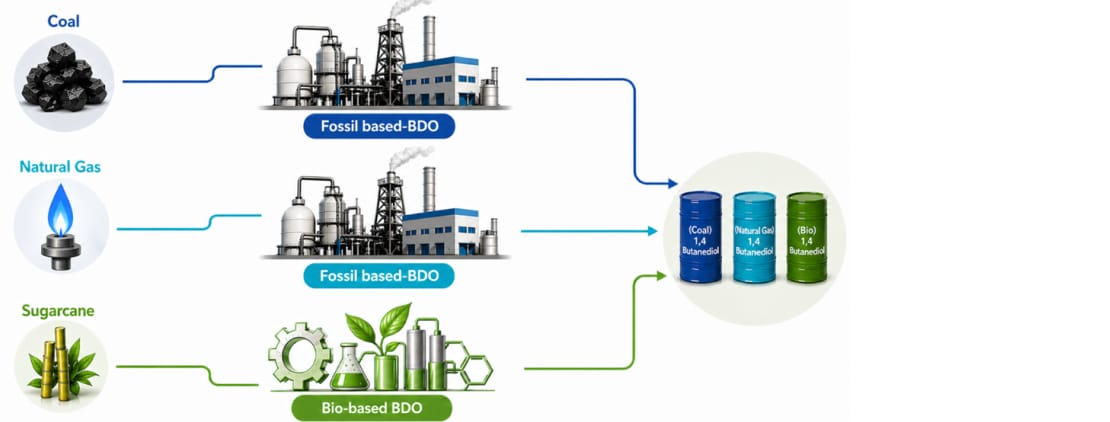
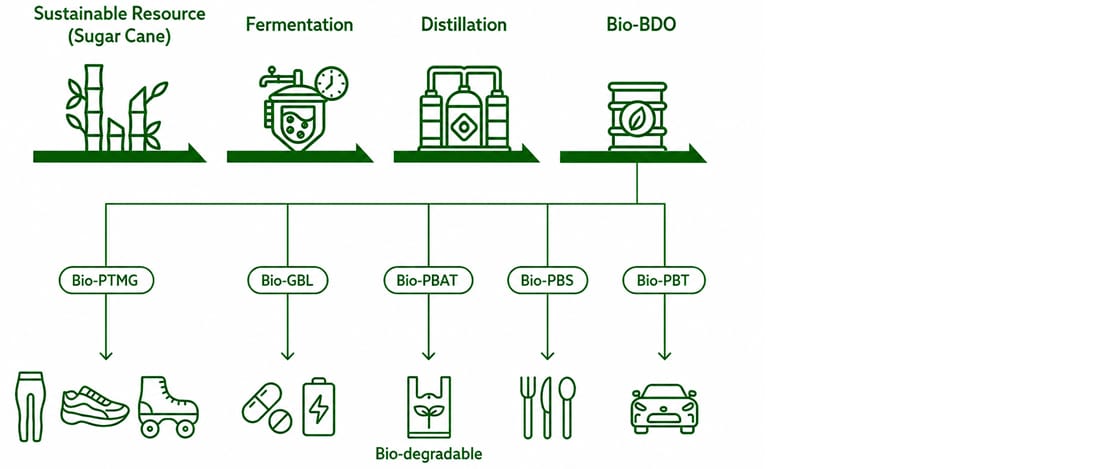
Bio BDO (Bio-based 1,4-Butanediol) is a renewable alternative to conventional BDO,
produced from sugarcane and chemically identical to fossil-based BDO.
Through our Bio BDO platform, we are driving the transition from
fossil-based resources to renewable carbon.
Produced at our Vietnam facility with a current capacity of 50,000 tons, expanding
to 200,000 tons, our Bio BDO enables a scalable and practical pathway toward
sustainable materials.
Key Features
Our Bio BDO is produced from renewable feedstock, specifically sugarcane,
enabling a biogenic carbon pathway that supports more sustainable material
production.
With an identical molecular structure to conventional BDO, it functions as a true
drop-in solution, allowing seamless integration into existing processes without
modification.
At the same time, it is expected to deliver a significantly lower carbon footprint.
The exact carbon footprint of Hyosung Bio BDO will be disclosed in 2026 Q4.
Powered by Sugarcane
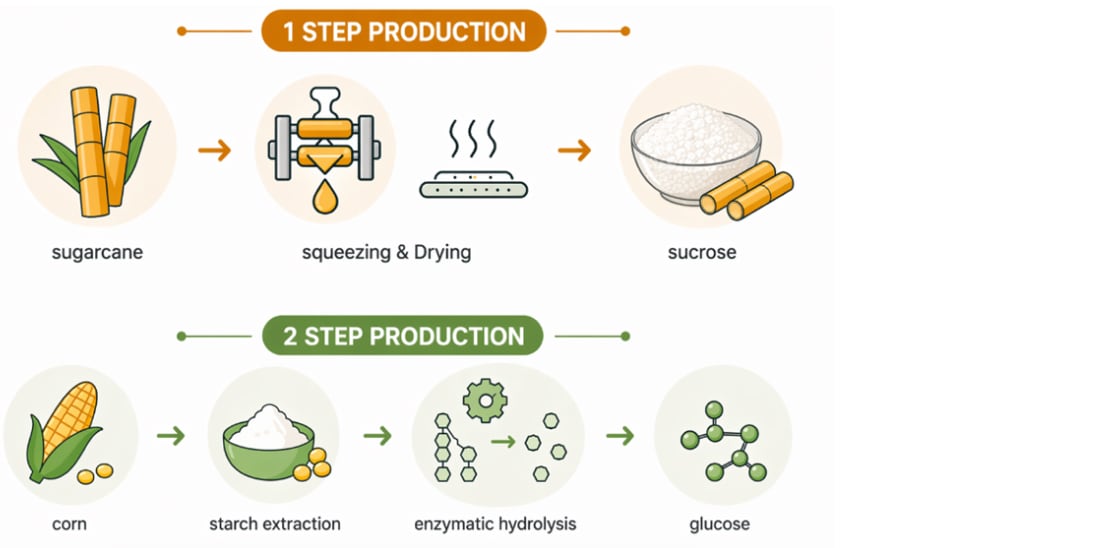
Sugarcane-based feedstock enables a more direct conversion pathway
compared to conventional starch-based routes.
By utilizing sucrose, the process eliminates the need for additional
breakdown steps, resulting in a simpler and more streamlined
production flow.
This reduced process complexity leads to improved energy efficiency
and lower operational requirements, while also contributing to a
reduced carbon footprint across the production chain.
Feedstock – Sugarcane
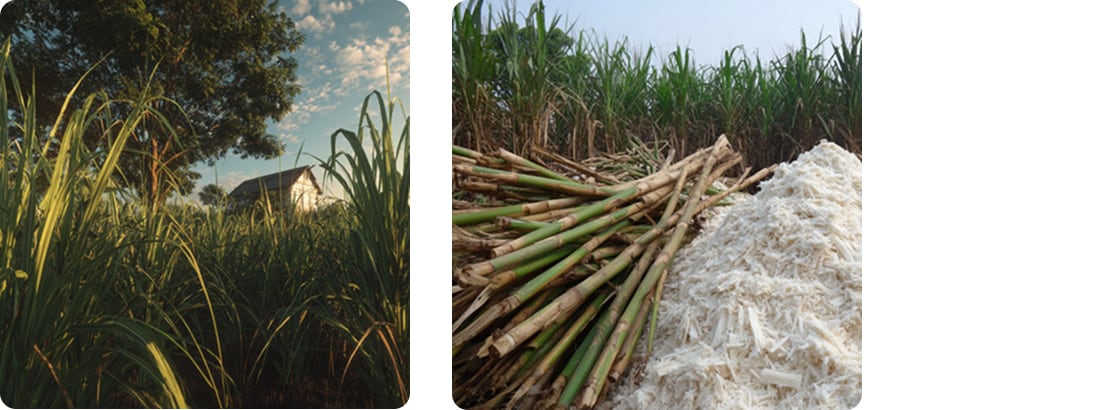
Sugarcane is a highly efficient renewable feedstock with strong carbon absorption
due to its high photosynthetic efficiency. It enables efficient use of natural resources
by delivering high yield per hectare with relatively low input requirements.
During its growth, sugarcane actively absorbs CO₂, contributing to a biogenic
carbon pathway that supports lower overall emissions in the production process.
It is widely cultivated in tropical regions, ensuring a stable and scalable supply to
support industrial-scale production.
Beyond the primary product, sugarcane processing generates by‑products such as
bagasse, a residual biomass that can be repurposed as a renewable energy source
or for additional industrial applications. This contributes to a more integrated and
resource‑efficient system, extending sustainability beyond the main product.
Certification
Our Bio BDO is supported by internationally recognized sustainability standards.
The sugarcane feedstock aligns with VIVE Program,
ensuring responsible agricultural practices and traceability.
We are further expanding our certification coverage with USDA Bio-Preferred, ISCC
PLUS, and RSB, reinforcing global credibility in bio-based content, sustainable
sourcing, and lifecycle carbon management.

Applications
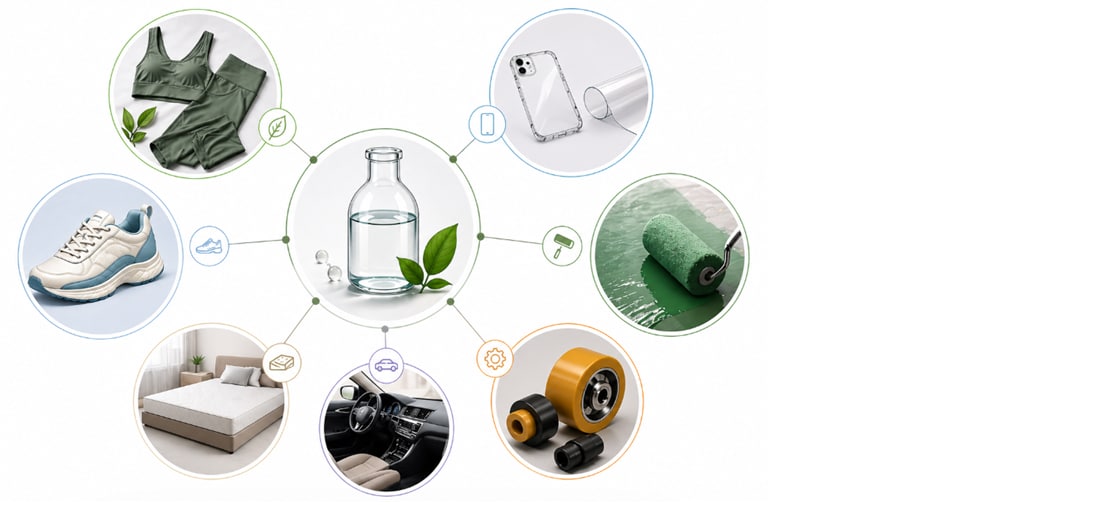
PTMG (Spandex), Polyurethane (synthetic leather, coatings), Engineering plastics,
PBAT (biodegradable plastics), Solvents
Bio-PTMG
(Polytetramethylene Ether Glycol)
Through our integrated production system, we convert Bio BDO
into Bio PTMG, enabling a fully bio-based value chain from
feedstock to high-performance materials.
It supports the transition to sustainable materials without
compromising product quality or process compatibility.
Applications
Bio PTMG is mainly used in spandex fibers, polyurethane for resin,
footwear, coatings, and high-performance materials such as TPU,
TPEE, and CPU.